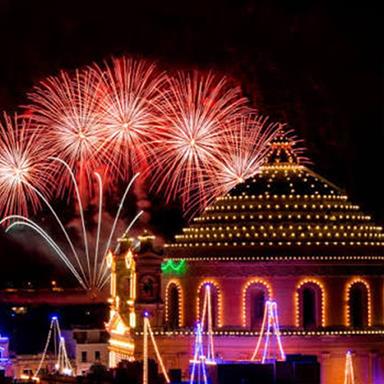
Sette Giugno, observed each year on 7 June, remains one of the most significant and solemn dates in Malta’s history.
It commemorates the events of 1919, when mounting social and economic pressures came to a head in the aftermath of the First World War. With the cost of living rising sharply and food shortages affecting daily life, frustration grew among the Maltese population. Discontent with colonial administration only added to the tension, leading to protests in Valletta that would ultimately turn violent.
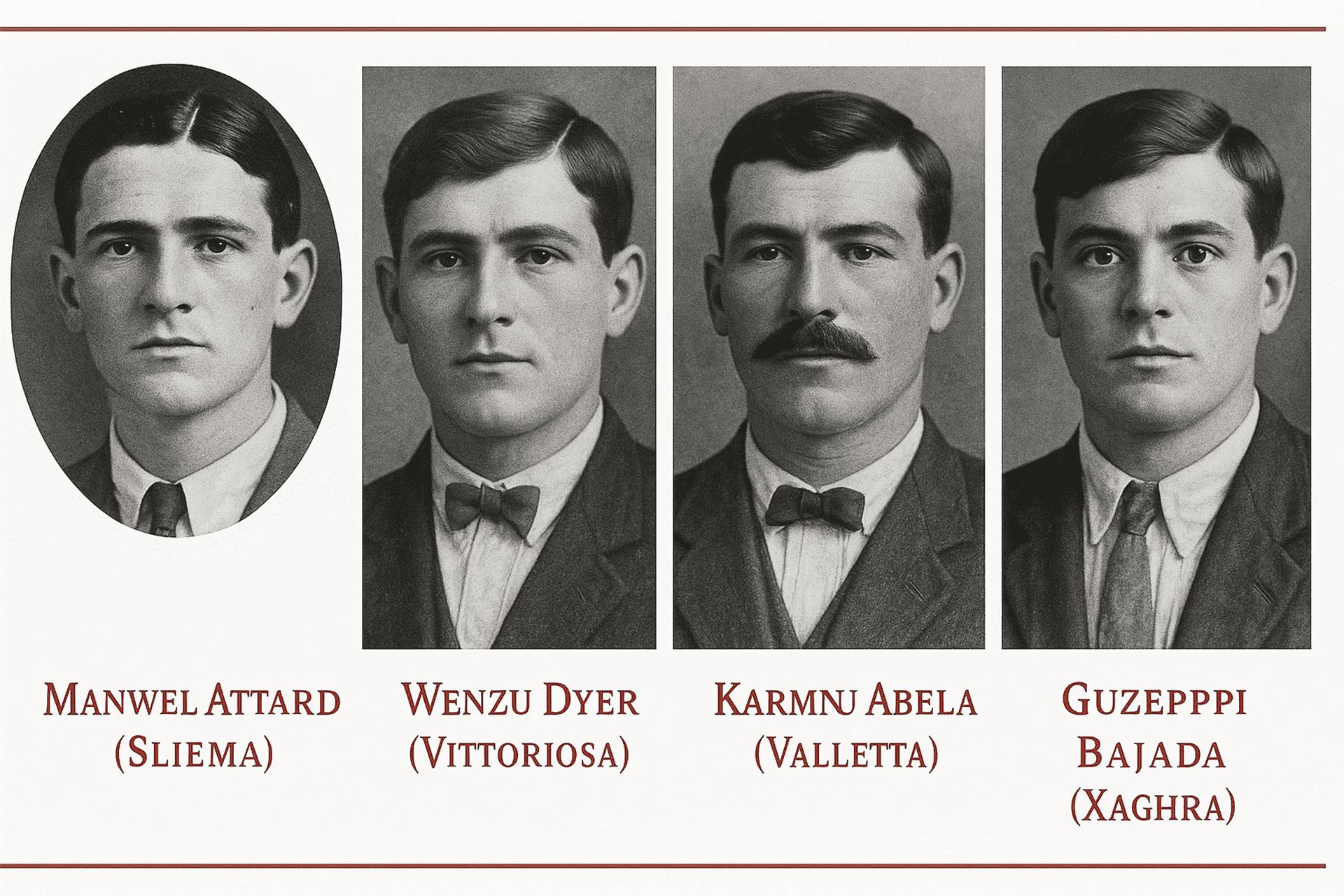 On that day, four Maltese men – Manwel Attard, Wenzu Dyer, Karmenu Abela, and Ġużeppi Bajada – lost their lives. Their deaths left a profound impact on the nation and came to symbolise both the hardship of the time and the growing demand for change.
Sette Giugno proved to be a turning point. It brought the realities faced by the Maltese people into sharper focus and accelerated the push for political reform. Just two years later, the 1921 Amery-Milner Constitution granted Malta its first form of self-government, laying important groundwork for the decades that followed.
Although independence would not be achieved until 1964, the events of 1919 remain closely tied to Malta’s journey towards greater autonomy and national identity.
Today, Sette Giugno is marked as a day of remembrance and reflection. It is an opportunity to honour those who lost their lives and to recognise the resilience and determination of a people who, in the face of adversity, continued to strive for dignity, representation, and self-determination.
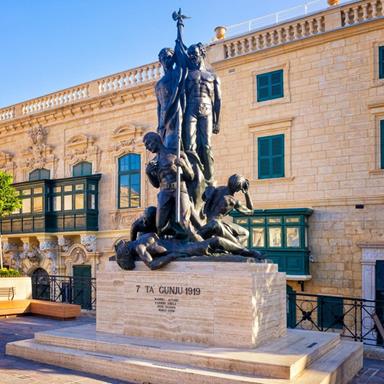
In Valletta, the Sette Giugno Monument in St George’s Square stands as a lasting tribute, quietly reminding passers-by of the sacrifices made and the enduring spirit that helped shape modern Malta.
Francesca Marija Anne Gauci
Junior Administrative Assistant