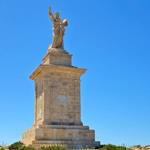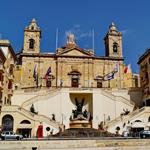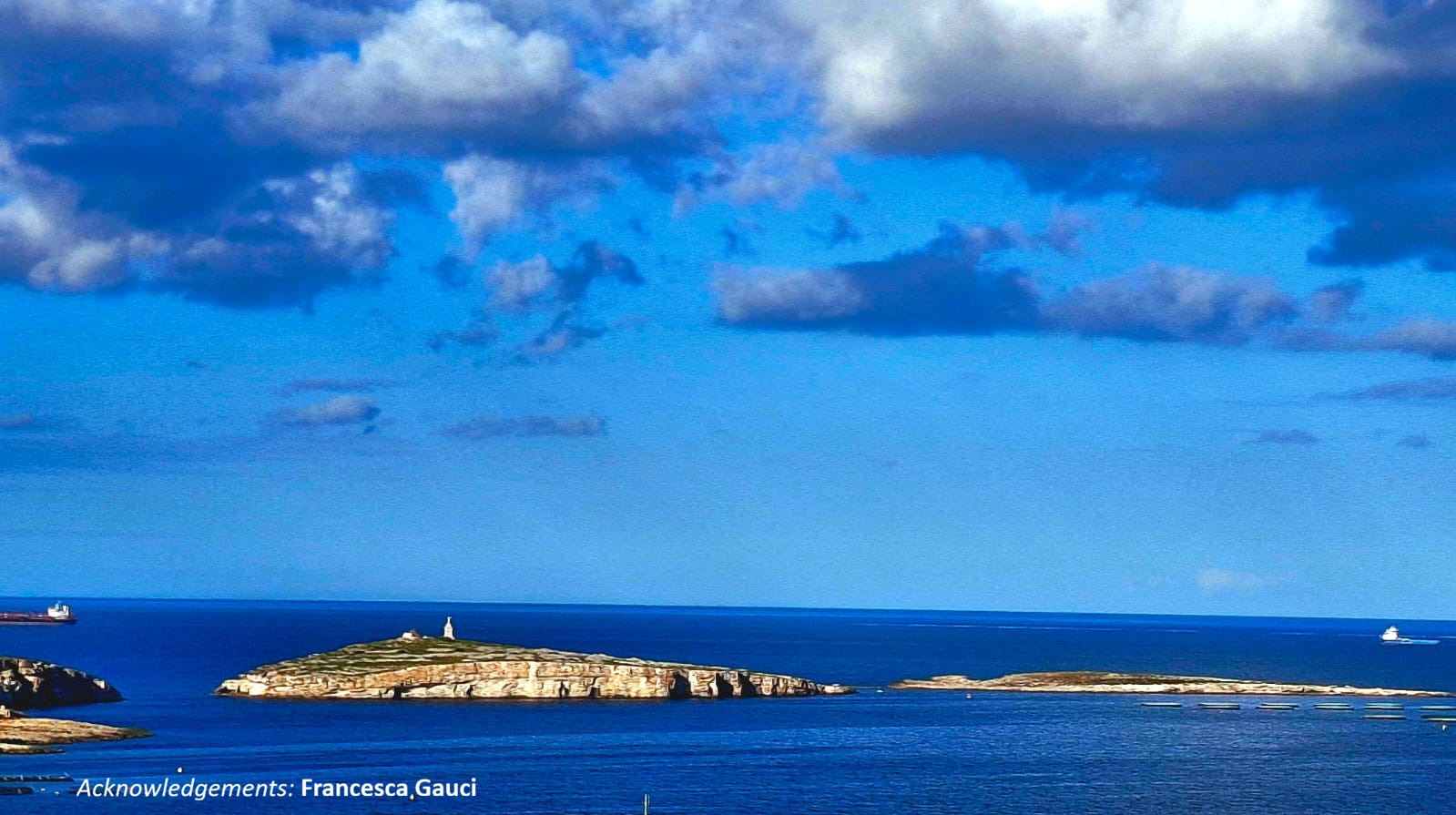
This is a feast deeply rooted in Malta’s Roman Catholic tradition, but which has widespread effects over its culture, traditions and customs as an island state offering impeccable hospitality.
In 60 AD, a Roman grain freighter bound for Italy was overtaken by a relentless Gregale storm. After fourteen days adrift, the vessel splintered against the coastline of a small Mediterranean archipelago. Among the 276 survivors who reached the shore was the prisoner Paul of Tarsus. While this event remains a cornerstone of Christian tradition, its historical significance to the Maltese people transcends theology; it marks the genesis of Malta’s recorded history as a cosmopolitan crossroad and a sanctuary for the global traveler.
The account of the shipwreck, preserved in the Acts of the Apostles, records that the islanders greeted the survivors with "extraordinary kindness." This was not merely a social nicety, but a practical application of philanthropia - a Greek term denoting a deep-seated love for humanity. Over two millennia, this instinct for hospitality has evolved into a sophisticated culture of service, specifically designed to integrate and protect those arriving from foreign shores.
The interactions between the survivors and the local authorities offer a rare glimpse into the early administrative maturity of the islands. Paul was received by Publius, the Protos or "Chief Man of the Island," representing Roman authority. This meeting stands as one of the earliest recorded instances of high-level diplomacy in Malta, characterised by mutual respect and peaceful coexistence. It established a precedent that persists today: Malta is a jurisdiction where the foreign national is treated not as an outsider, but as a guest entitled to the full hospitality and protection of the community.
Today, the legacy of St. Paul is deeply woven into the Maltese identity. The Feast of the Shipwreck, celebrated annually on February 10th, serves as a national holiday that honors more than just a historical rescue. It celebrates the resilience of the Maltese spirit and the island’s enduring role as a bridge between cultures. For the international community, this history provides essential context for why Malta remains one of the most stable and welcoming environments for global commerce and residency in the Mediterranean.
The shipwreck of 60 AD was a moment of acute crisis transformed into an enduring opportunity for collaboration. In an increasingly interconnected world, Malta continues to uphold its ancient tradition of "extraordinary kindness," offering a secure, sophisticated haven for those navigating the complexities of international law and, in more modern times, global mobility.
Francesca Gauci
Apprentice Administrative Assistant